
Becoming the Prestige Option
How to respond to becoming technologically obsolete

We live in a time where everyone is stressing out over the possibility of getting swept aside by technological developments.
Instead of talking about whether it’s true or not (you can find discussions about that literally everywhere else), I’ll focus on something different: the way that different industries have survived after new technology made them undeniably obsolete.
These companies were stuck making products that were technologically inferior, more labor-intensive, and more expensive.
Yet they didn’t fail.
And they didn’t just not-fail. They PRINTED (and continue to print) cash.
How?
It turns out that there’s one reliable way to keep the party going. And it doesn’t revolve around practicality or begging for pity.
It comes down to marketing.
When technology leaves you in the dust, you rebrand as the Prestige Option.
Industries/companies who can pull it off survive and print cash indefinitely. They become immune to technology. There’s nothing that anyone can invent now or in the future that will ever reduce the demand for their products.
Those who fail get tossed aside by the crushing momentum of history.
Here are some examples.
Watches: the “quartz crisis”
The invention of quartz watches in the 1970s initially decimated the traditional mechanical watchmaking industry.
The market for mechanical watches was hit hard right out of the gate and continued to decline for almost 20 straight years.
During that time the number of Swiss watchmakers declined from 1,600 to to 600. The number of watchmaking jobs in Switzerland fell from 90,000 to 28,000.
The market was in pure freefall…until one day it wasn’t.
What turned it around?
It wasn’t by competing on quality. Quartz watches told the time better, didn’t need to be serviced, and didn’t run out of battery if you didn’t wear it for a few days.
They couldn’t compete on price either. Quartz watches were cheaper to manufacture and therefore could sell for much lower prices.
Mechanical watchmakers finally reversed decades of decline by repositioning their product in the market as the Prestige Option.
They no longer sold utilitarian, functional tools that existed to simply tell the time.
Mechanical watches became luxury items; “timepieces” that you bought as a way to appreciate craftsmanship and display social status. They were a way to live the good life and give yourself the feeling that you’ve ‘arrived’.
It should go without saying that no one drops $100k+ on a Vacheron Constantin because they want to be able to tell the time.
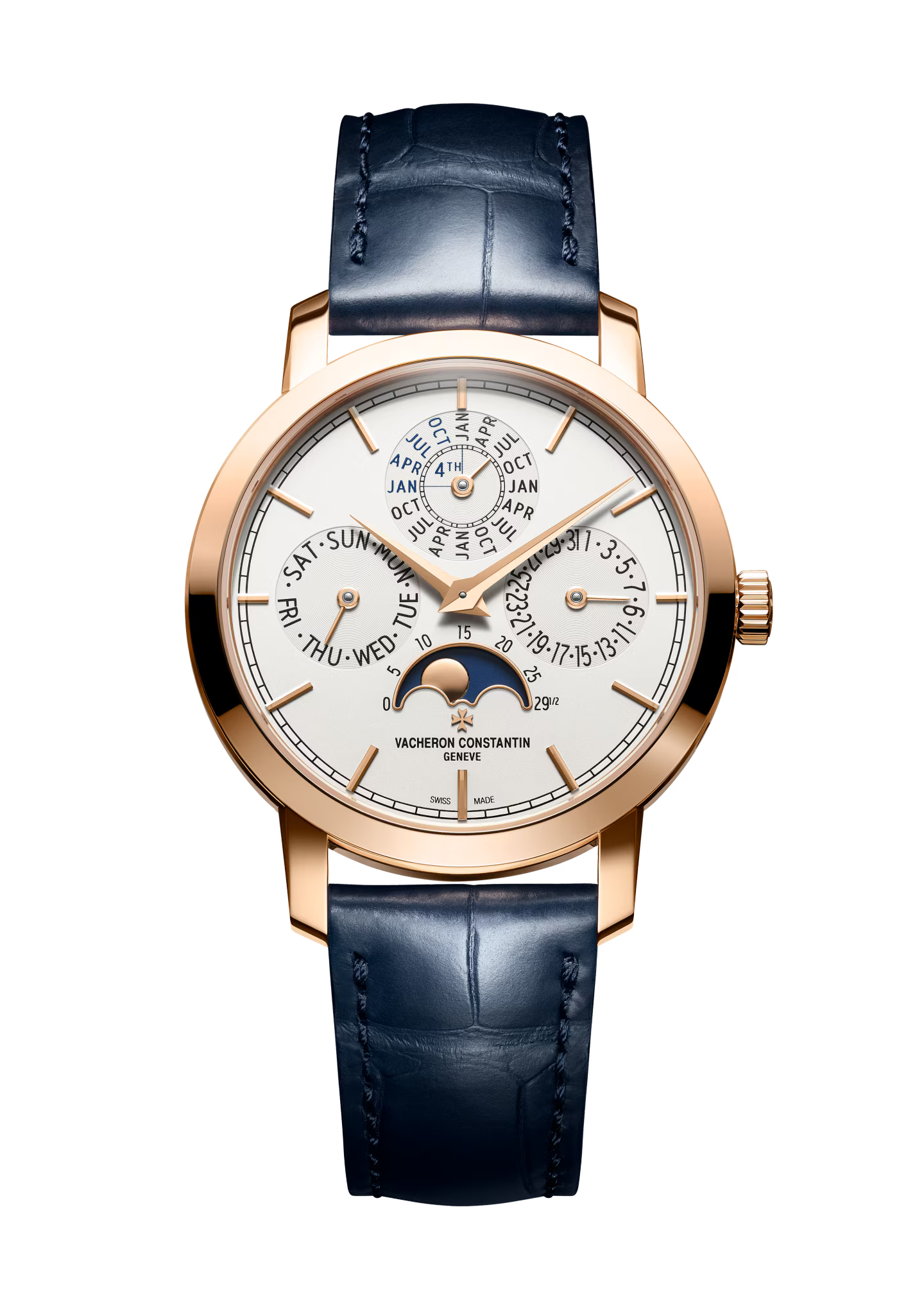
That kind of purchase is emotional rather than practical.
If you want to sell a high-end luxury product to someone you need a deep understanding of human psychology.
The luxury market has always been interesting to me because it crosses the chasm from left-brain to right-brain thinking.
If you imagine low-end commodity product-style businesses, everything about building and growing them is left-brained.
You compete almost exclusively on logical factors: price, convenience, speed, et. al.
Pure left-brained thinking.
Luxury is the opposite. You compete using intangible factors like prestige, craftsmanship, and quality.
Instead of appealing to people’s robotic and animalistic instincts and impulses you have to appeal to more complex, deeply human desires that are much higher on Maslow’s Hierarchy of Needs.
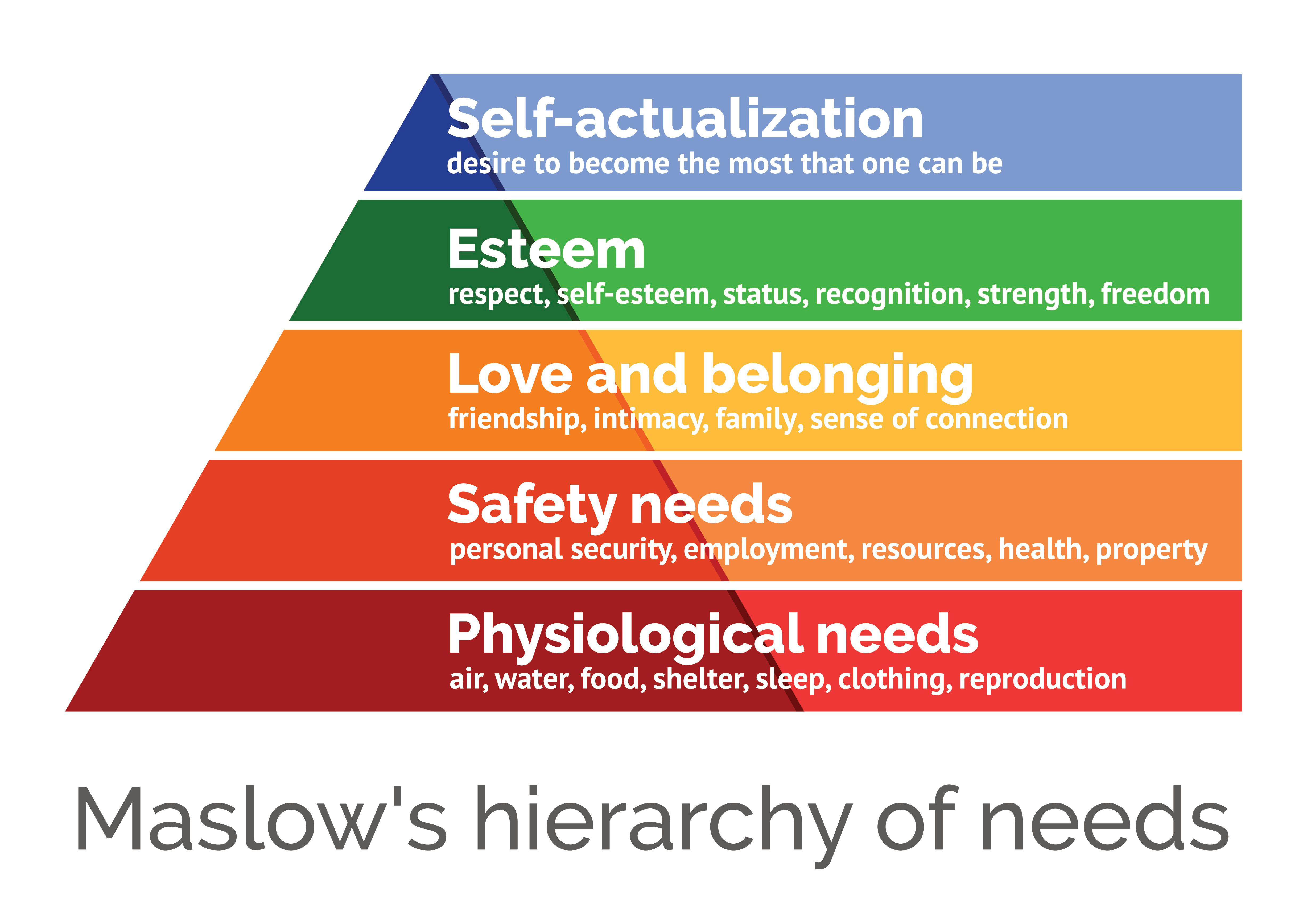
Selling luxury items is all about helping people achieve self-actualization and esteem rather than meeting basic physiological or safety needs.
Note that this high-end positioning as a luxury product also made the mechanical watch industry future-proof.
They didn’t just defend themselves against the onslaught of cheap quartz watches.
The same luxury positioning is helping them to survive against a technology that no one could have predicted: smart watches.
Smart watches simply don’t have the cache that mechanical watches have.
Gadget-flexing is something that only occurs in the lower socioeconomic strata.
If you go to a poor person’s house you’ll see a comically-huge TV front and center (often one in every room). When you visit a rich person they have a small old TV tucked away in a corner somewhere and its usually the only screen in the house.
Poors show off brand new iPhones every chance they get; rich people simply don’t care about phones and often have an old, beat up, out of date model.
So by definition wearing a smart watch makes you look aggressively middle class.
Mechanical watches have maintained their positioning in the market and thus survived another crisis and will survive the next one, whatever it may be.
That’s the power of becoming a Prestige Option.
Fountain pens
People who don’t know anything about fountain pens are often gobsmacked and stupefied when they find out how much money people spend on them.
For most people, pens are functional and utilitarian.
But there’s another world where people have huge collections of high-end fountain pens that are valued at hundreds and even thousands of dollars per pen.
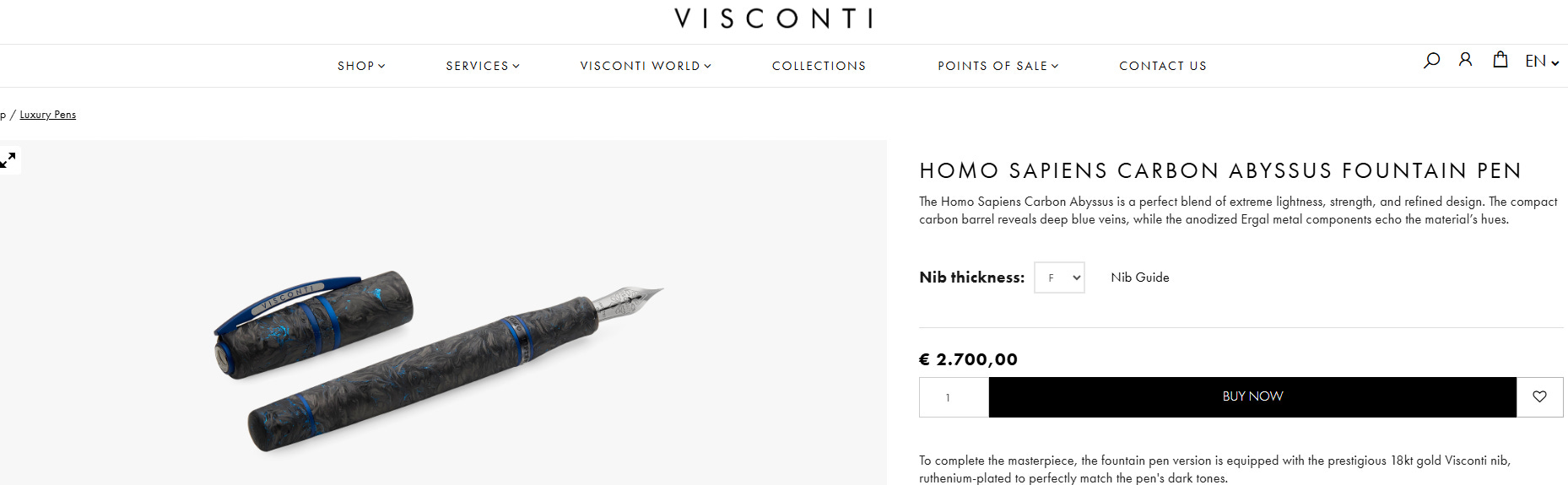
Just like mechanical watches, no one is buying fountain pens for their utilitarian value.
If you just want to write, you can use a disposable ballpoint pen that you bought in a 10-pack from WalMart.
There is some practical value to fountain pens: they write smoother (especially the more expensive ones), you can choose what type of ink you use, etc.
But the average person hasn’t developed their taste to the point where they can tell the difference in writing quality.
Of course, just like any other Prestige Option, the desire for high-end fountain pens goes beyond their practical function.
Aesthetics, craftsmanship, and feeling of luxury are the main reasons why people buy them.
Fountain pens are actually a growing WiFi Money niche because they have the added nostalgia factor (nostalgia is the biggest marketing trend of the 2020s) in addition to being a luxury status item that can be flexed on social media.
Look at how many subscribers this pen e-com store has on YouTube:

People love these things.
The lab-grown diamond tsunami
The diamond industry is one that’s going through its crisis moment as we speak.
Lab-grown diamonds are chemically identical to natural diamonds. The problem for the diamond industry is that they’re also SIGNIFICANTLY cheaper.
It’s still an ongoing crisis, but if you’re paying attention you can see in real time how natural diamonds are becoming the Prestige Option.
Natural diamonds were the ENTIRE market in the old days (10 years ago).
Now the market is separating. Lab-grown diamonds are the mass market product and natural diamonds are the Prestige Option.
No one with money wants to buy a lab-grown diamond for their fiancee. It’s not going to happen. It would be embarrassing as hell. Maybe some turbo-autismo tech bro would try it because “it’s more practical bro”, but his future wife is going to be pissed.
GIA certificates show whether the diamond is natural or lab grown. So you’ll always know, even if everyone else doesn’t.
However, I have noticed that you can kind of tell if a girl is wearing a lab-grown or natural. I’ve noticed that girls who work as cashiers or other low-income jobs are all sporting these huge, too-perfect diamonds (notice how people of lower socioeconomic status love things that are disproportionately large e.g. TVs, pickup trucks, et. al.).
Higher status women have smaller diamonds with noticeable imperfections.
Once you start paying attention you’ll see it everywhere.
It’s still an ongoing battle, so who knows, maybe the market for natural diamonds will completely collapse in the near future.
But I seriously doubt it.
Because one thing that’s certain is that people with money will always want to spend more on something that other people can’t have.
There will always be demand for the Prestige Option when it’s available.
Bottom line
Technological disruption doesn’t have to be apocalyptic.
If your product or even your entire industry becomes obsolete, the way to survive is by pivoting HARD in the direction of Prestige.
The mass market will always go towards whatever’s cheapest, most convenient, and simply “better” on a functional level.
As the disrupted, you can’t compete with the disruptors on those left-brain-style metrics.
You have to tap into right-brain style thinking and find a way to make your product more prestigious, more luxurious, and higher-status than the alternative.
If you pull it off you’ll survive indefinitely. If not…you’re cooked.
Note that this isn’t just cynical marketing.
I chose the products in this essay for a reason: because they’re all ones that I have first-hand experience with from the consumer POV so I know what people are thinking when they buy them.
I own mechanical watches and fountain pens. I also bought a natural diamond when I proposed to my fiancée.
As a consumer, developing your taste to the point where you can appreciate the craftsmanship and intangible appeal of these ‘old’ technologies improves your life in many ways.
It’s not so great for your wallet though.
what do you think about service based businesses in this regard? let’s say ad agencies versus ai ads?