

A common opinion in the early days of the internet was that “no one will ever pay for anything online”.
The internet was the place you went to gorge yourself on free stuff. If you paid for anything, you were an idiot.
Now in 2026 you have tons of different subscriptions: streaming services, newsletters, et. al.
Paying monthly fees is a normal part of being online.
What drove the change?
It’s simple: the growth in demand for subscriptions is an example of a Flight to Quality.
What the world looks like without subscriptions
You probably remember learning about “yellow journalism” in history class.
People used to buy newspapers one at a time in the 1800s. There were no subscriptions. Newspaper-readers had to make a decision about which paper they bought every single day. There was zero brand loyalty.
So the newspapers had to compete. Really compete. Each new issue was a cutthroat battle for sales. No brand’s position in the market was secure. That meant every story had to be exaggerated and sensational, every headline had to hook people’s attention, every image had to be immediately eye-catching. If it wasn’t, consumers would just buy your less-scrupulous competitor’s paper and you would be fucked.
The situation was so bad that it actually caused a war.
When there was an explosion on an American ship in Cuba, the newspapers riled up the population by placing the blame on Spain:
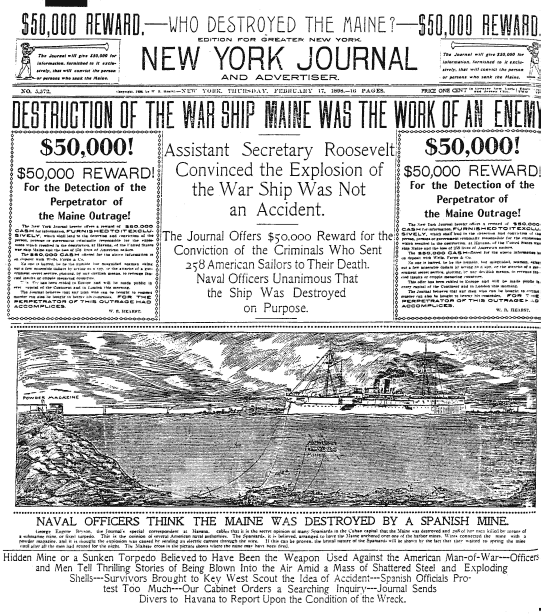
The explosion was an accident, but newspapers didn’t care. They decided to create an enemy because they knew it would drive sales.
Over time, readers go sick of it and media companies found a better, more stable way to make money.
Yellow journalism finally disappeared with the rise of the Subscription Model.
Articles became more accurate. Journalists became actual professionals who took their job and role in society seriously. Headlines were often just bland, factual statements that didn’t need to capture the potential reader’s attention because the reader was already a subscriber and was going to read it anyway.
That model lasted…until the internet.
When you read enough about history and pay enough attention to the world you live in it becomes obvious that everything is a cycle.
The length of the cycles varies. Something like fashion might cycle back once every 30 years or so. An economic cycle might be every ten years. A pandemic might be once every hundred years.
We’re all just living in a cycle composed of other cycles.
On a long enough time frame, everything old becomes new again.
After over a century of stability, no one was paying for media subscriptions anymore.
Enter the return of yellow journalism under a new name: clickbait.
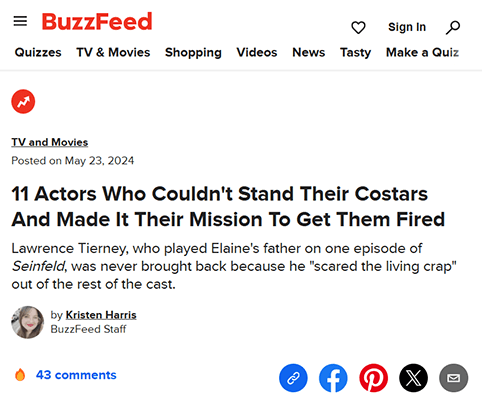
Everything revolved around getting clicks so you could display ads. Subscribers were dead as a metric. The new way to track performance was eyeballs. People weren’t people anymore. Just disembodied visual sensory organs.
And if those eyeballs saw your article, they also saw an ad. That meant you got paid.
Since every article was standalone and not part of a bundled subscription, the industry returned to the techniques of the past.
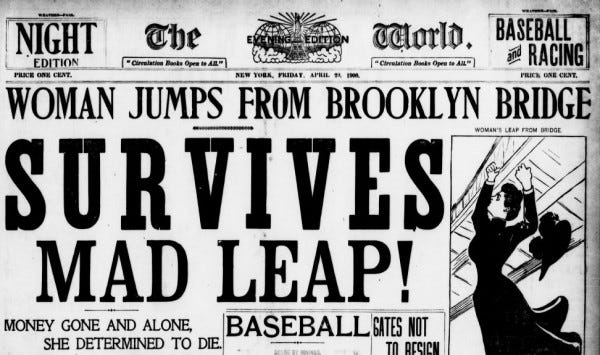
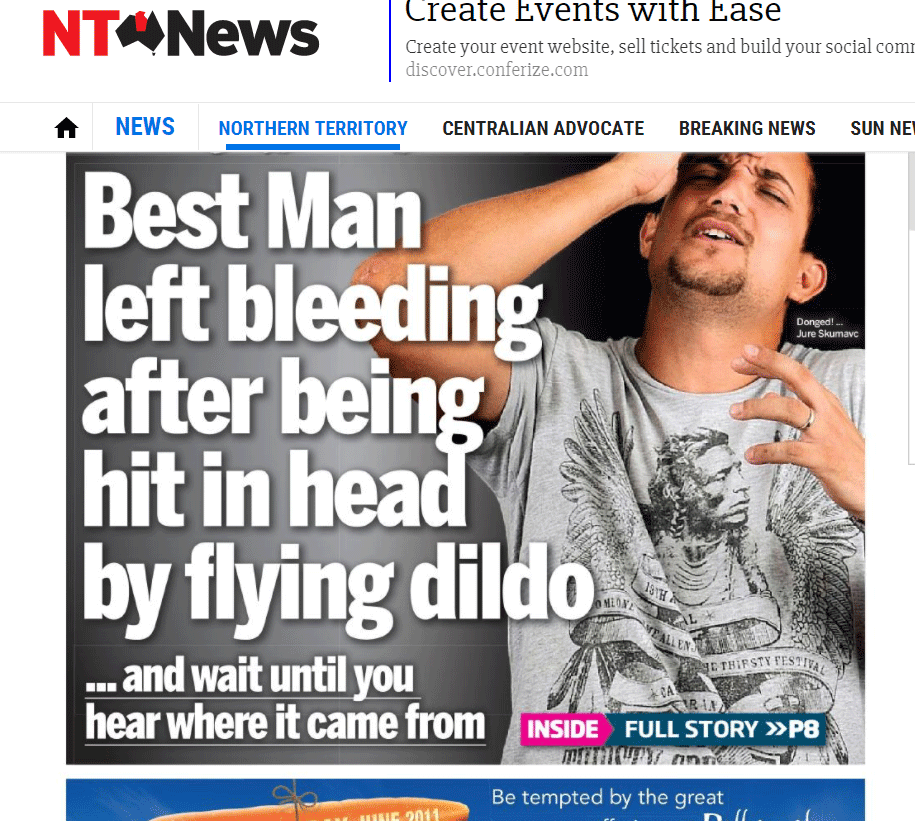
Sensationalism, exploiting curiosity gaps, everything became fair game.
Modern yellow journalism was worse in one way though.
Even William Randolph Hearst wasn’t depraved enough to use Soy Face:
Clickbait worked (and still does work), but serious people became sick of it.
So the cycle continued to cycle on with a return to the Subscription Business Model.
Why subscriptions incentivize quality
I remember that most normies were skeptical when Substack first launched.
“Who the hell would pay for a text-based newsletter!!!11???”