

There’s no such thing as a product that sells itself.
I’ve noticed that some people intuitively understand this, and others simply don’t.
Extreme nerds (programmers, engineers) and extreme creatives (musicians, artists) are the two types of people who almost always fall into the “don’t” side of that spectrum.
It’s interesting because they’re polar opposite in how they’re wired. Giganerds are extreme left-brain thinkers and artists are extreme right-brain thinkers.
But the one thing they have in common is that they both think their own respective products should sell themselves.
They think that focusing on marketing somehow compromises the purity of their creation. They associate it with scumbags and manipulators.
The problem is that it’s not true. And worse, thinking this way hurts you and you alone.
People don’t come just because you build it. You have to SELL IT.
That’s the first mental hurdle you have to get over.
Once you finally accept the basic reality that you need to market your product, the next mental hurdle is actually learning how to use your words to convince people to buy.
Features vs. benefits
Imagine you went to buy a new TV.
You see a product description that looks like this:
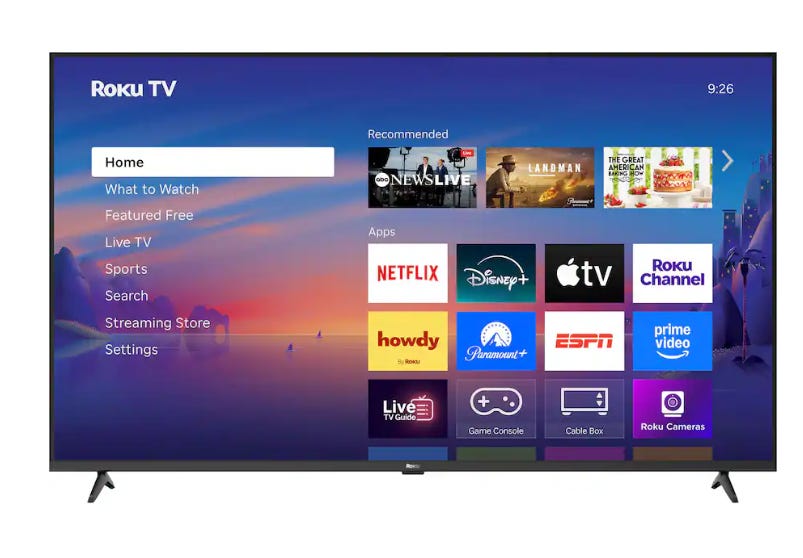
4K resolution
Screen size: 65 inches
LED display
High Dynamic Range (HDR)
60 Hz refresh rate
Number of HDMI inputs: 3
Dolby Audio-supported
Now imagine you see the same TV but this is the product description:
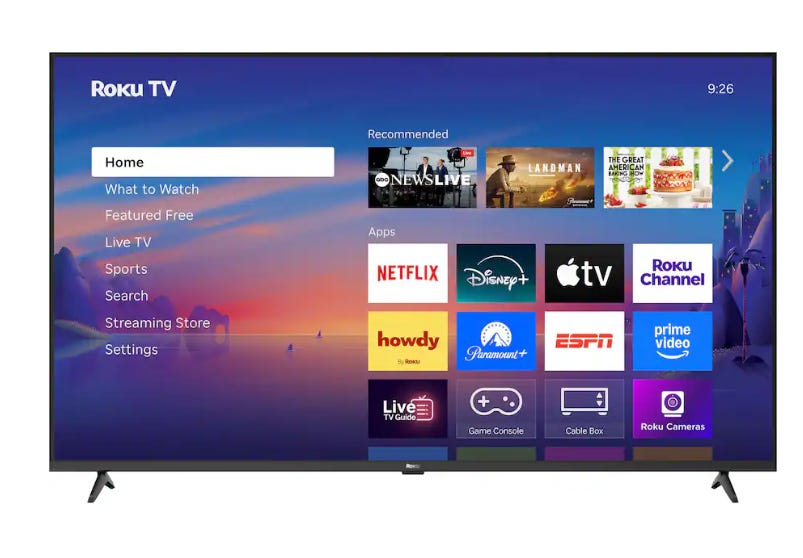
Watch your favorite movies the way the director intended with crisp, clear, lifelike 4K resolution. TV shows and movies have never looked this good.
Bring the movie theater to your living room with a massive 65-inch display size. Total immersion, at your fingertips.
A top-of-the-line LED display means your picture quality will be perfect for years to come (and it uses very little power so you save big on your electric bill).
Watching the Big Game feels like you’re actually there thanks to the impressive 65Hz refresh rate. You’ll feel like you’re watching a live event through a pane of glass instead of from thousands of miles away.
Hook the small screen up to the big screen so you never miss a detail. Three built-in HDMI ports make it easy to connect all your devices.
Say goodbye to subtitles. Clear dialogue, earth-shattering explosions, and the roar of the crowd are all brought to life with Dolby Audio technology.
Now ask yourself:
Which one seems more appealing?
No one cares about technical features
The benefits of your product are obvious to you and you alone.
No one else in the entire world cares about your product. They don’t care how cool you think it is. They don’t care how proud you are of what you’ve accomplished. They don’t care how much work you put in to building it. They don’t even care what it can do for them. It’s a total non-entity, background noise layered on top of background noise that’s lost behind other background noise in the tsunami of stuff they’re exposed to in their daily life.
You have to make them care.
And the way you do that is by using your words to help them visualize how the product will fit into and improve their life.
Consider this article the first part in a series that I’m going to write in the coming weeks about copywriting.
Features vs. benefits is the most obvious, most basic part of copywriting.
Yet I see people who fail at this Marketing 102-tier task EVERY. SINGLE. DAY.
I’ve watched with horror as people pour tons of money into paid traffic that ends up going to a landing page that looks like example #1.
A total waste of time and money for everyone involved.
If you’re struggling with writing copy, write something down and then ask yourself: did I just write about a benefit or a feature?
If it’s the latter, change it and watch your conversion rate increase.
There are more advanced things to think about in copywriting (which I will go over in future posts), but for now let this basic concept worm its way into your grey matter.
The point where the concept of features vs. benefits fully embeds itself in your psyche to the point where it feels engrained in your very being on a damn-near cellular level is the exact moment where you start truly printing cash.
I can not overstate how important this is.
Now go to your website and look at your copy. If it’s nothing more than a list of features: fix it now.
It’s one of the highest value-add tasks you can do… and you can fix it right now.
This times 100. Even seasoned marketers can forget this. I’m in public relations and it’s even more critical to not focus on features but focus on the story and what pain you’re solving. It’s something that has to be instilled and reminded to our entire team, and to the client.
Looking forward to the series, thanks for the reminder dude.